Spring Whale Watching Returns to the Sapphire Coasts: Depart from Eden, Merimbula or Bermagui.
G’day whale lovers,
Spring has arrived on the Sapphire Coast, and with it one of the most exciting chapters of the annual humpback whale migration. After a winter travelling north to the warmer breeding and calving waters off Queensland, the humpbacks are turning south. From August onwards the migration gradually changes direction as thousands of whales begin the long journey towards their Antarctic feeding grounds. For the Sapphire Coast it marks the beginning of the southern migration, and with whales travelling close past the coastline of Eden, Merimbula and Bermagui throughout spring, there is no better time to get out on the water.
Why the Southern Migration Feels Different
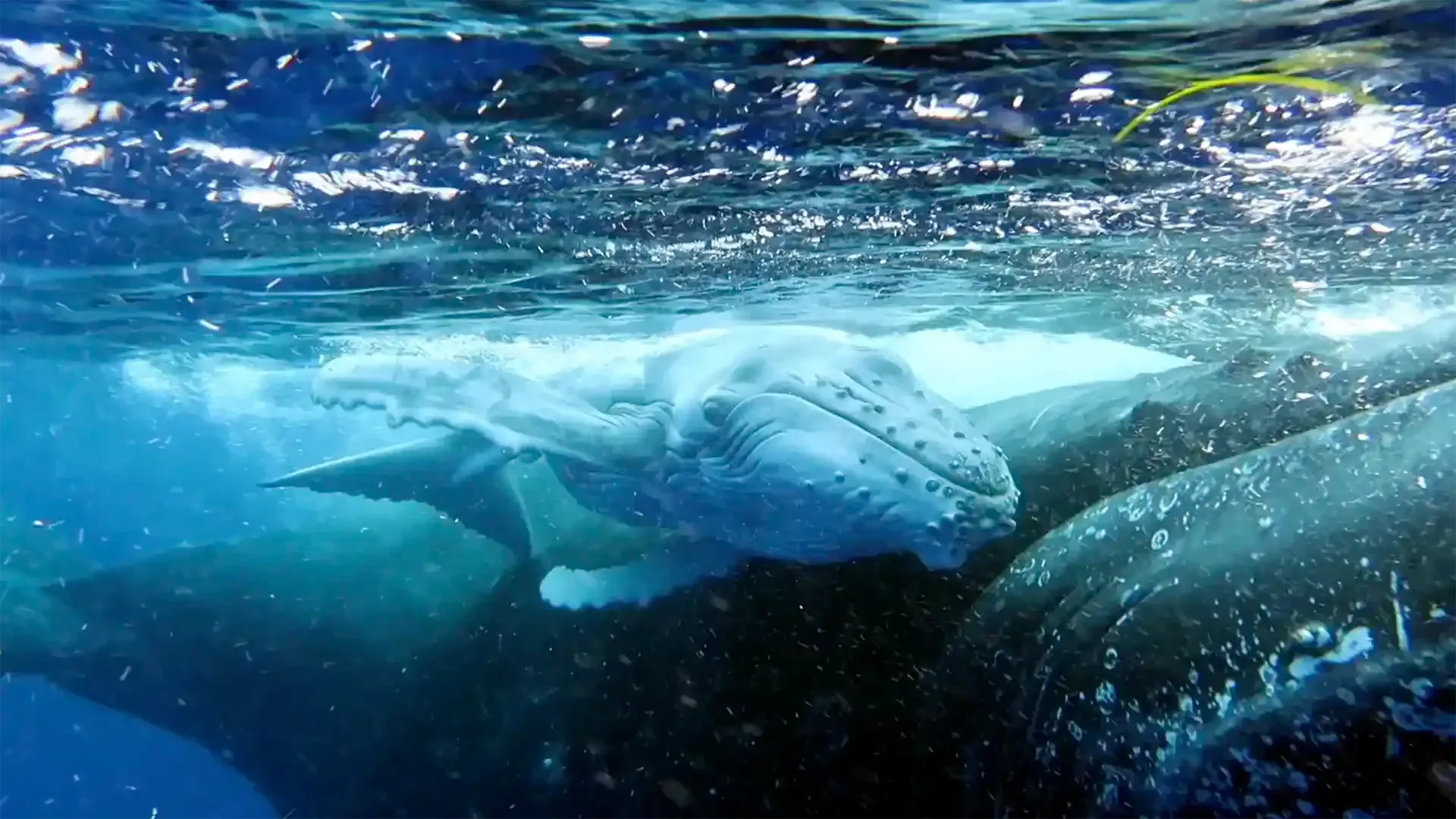
The southern migration brings a younger cast of characters to the coast. Among the whales heading south are mothers travelling with calves born during the winter breeding season. These young whales are only a few months old when they begin their first migration, accompanying their mothers on a journey of thousands of kilometres towards the Southern Ocean. For a calf, it is quite an introduction to the world.
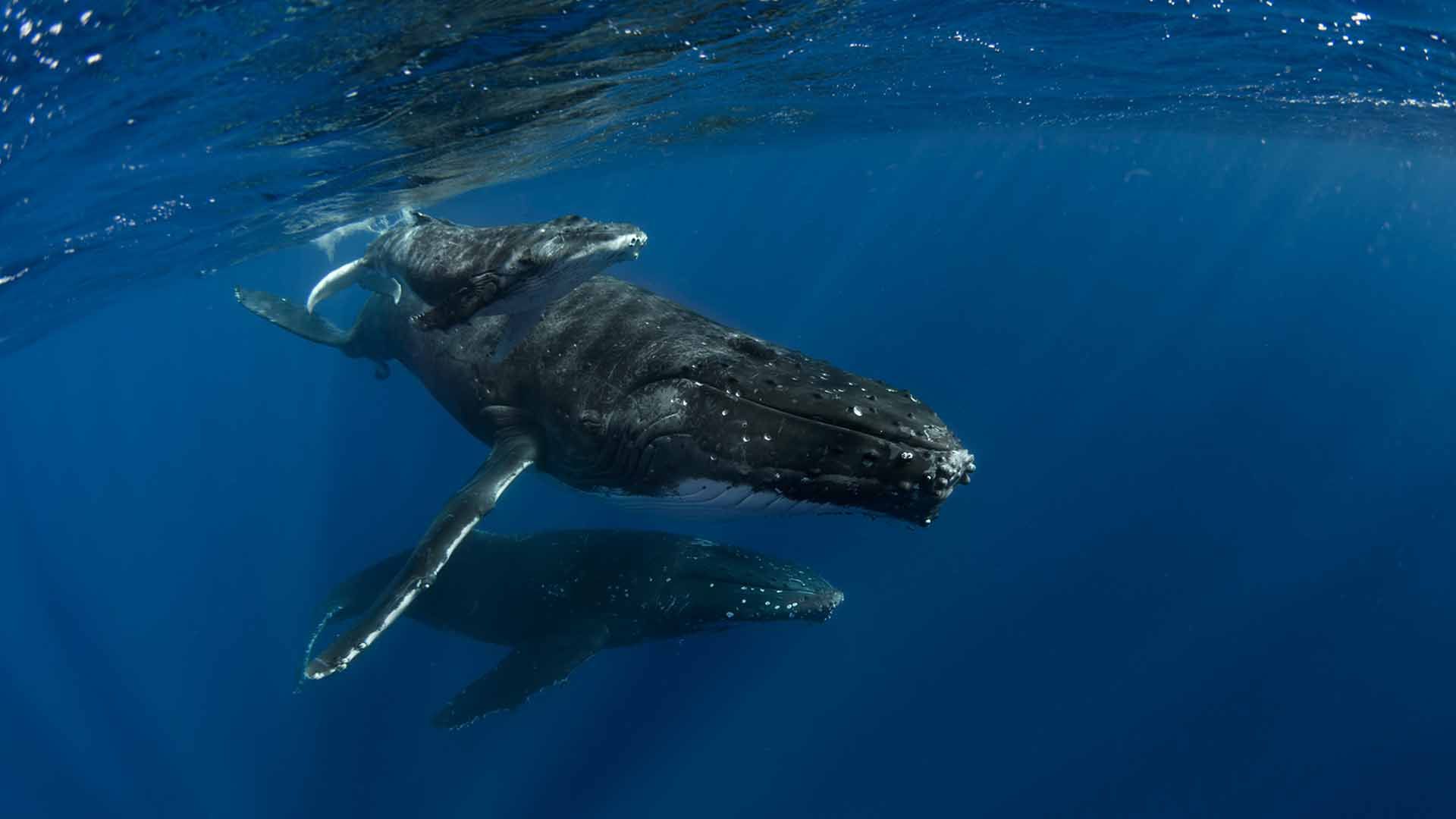
Newborn humpbacks are already surprisingly large, typically measuring around four to five metres long and weighing close to a tonne. Alongside a fully grown mother, who can reach around 15 metres and weigh more than 30 tonnes, they still look remarkably small. Mothers nurse their calves on extremely rich milk, helping them grow quickly before they reach the colder southern feeding grounds. During the migration, calves can often be seen surfacing close beside their mothers, practising behaviours, playing and occasionally showing off with a breach or tail slap of their own. For whale watchers, these encounters can be some of the most memorable of the season.
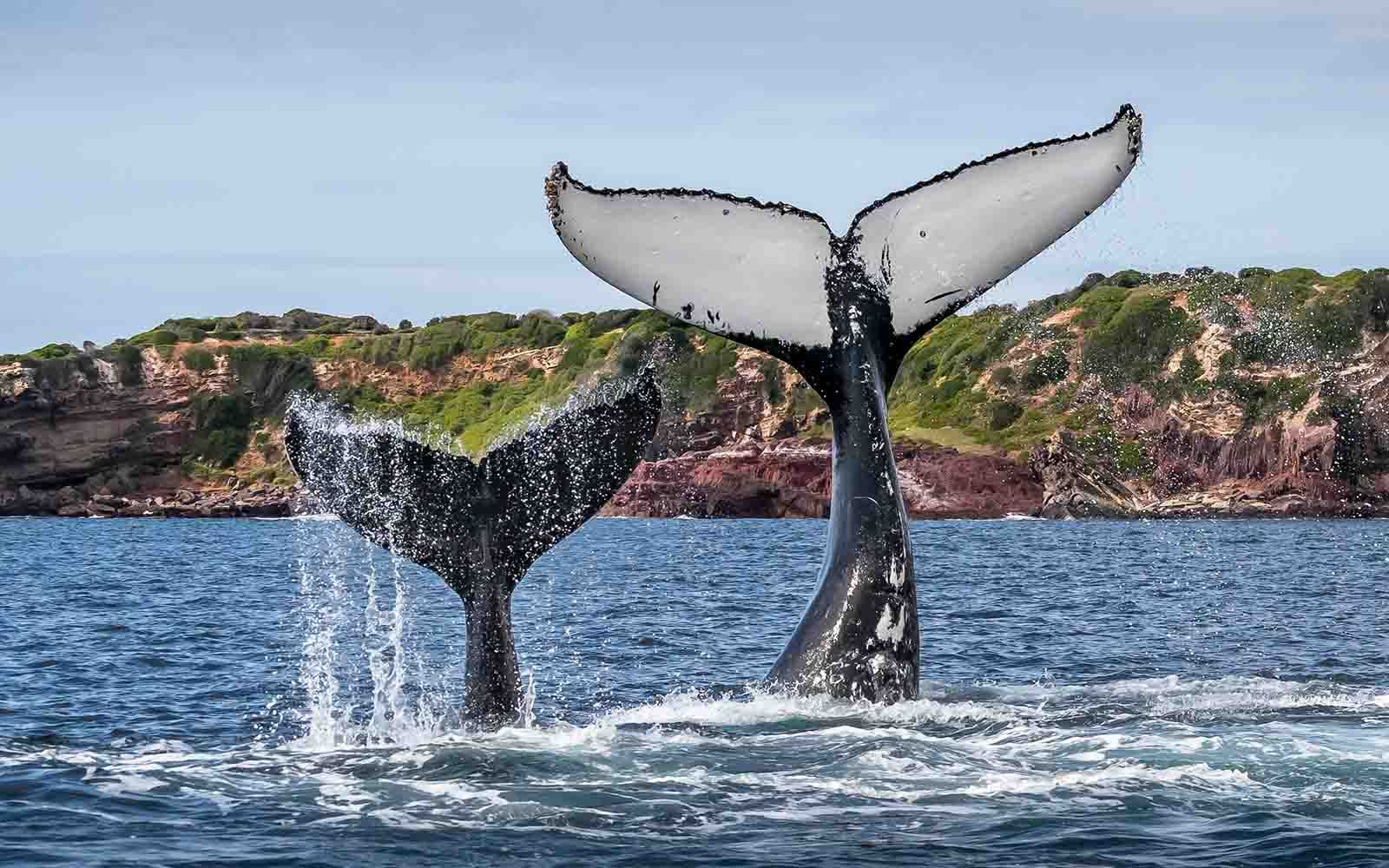
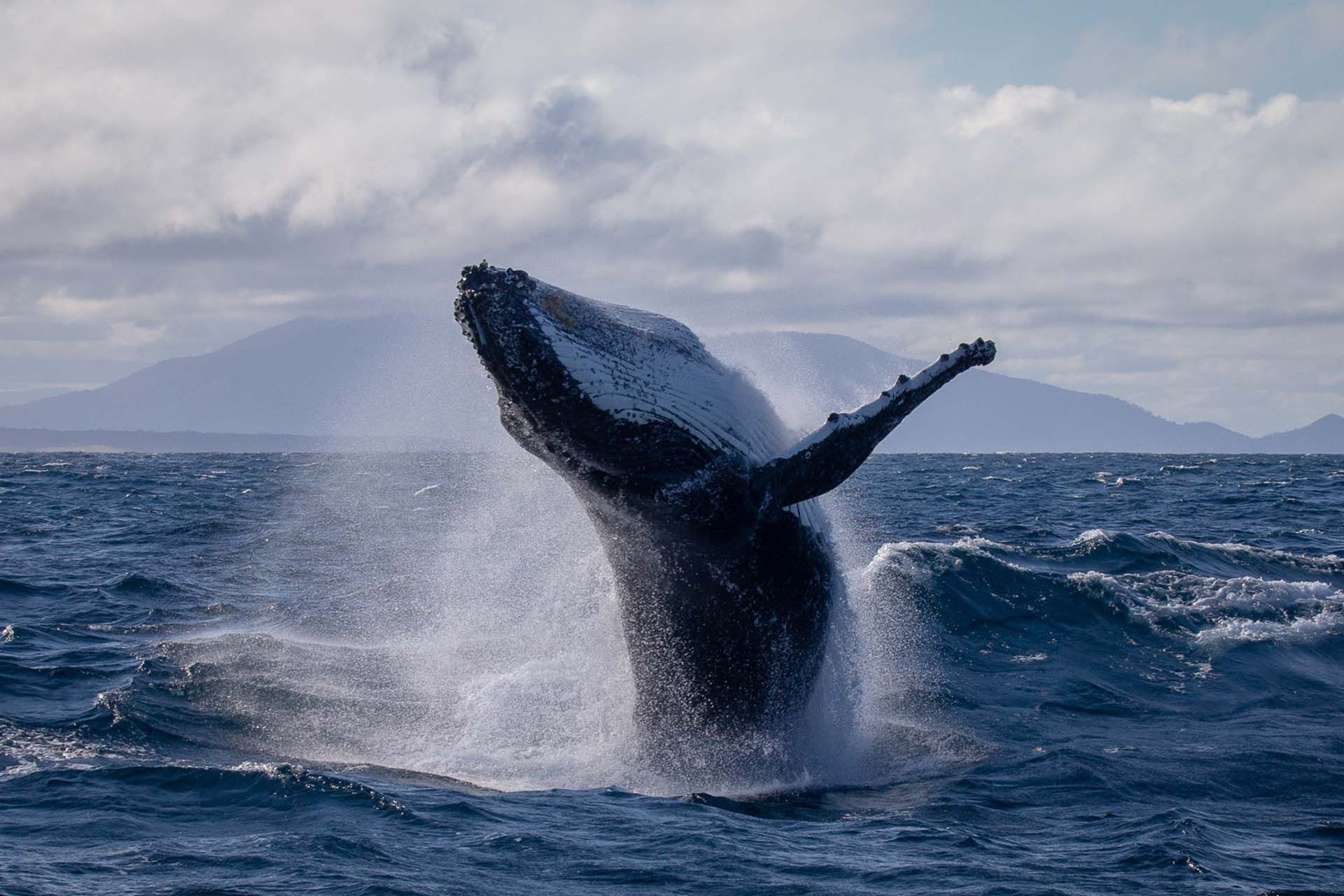
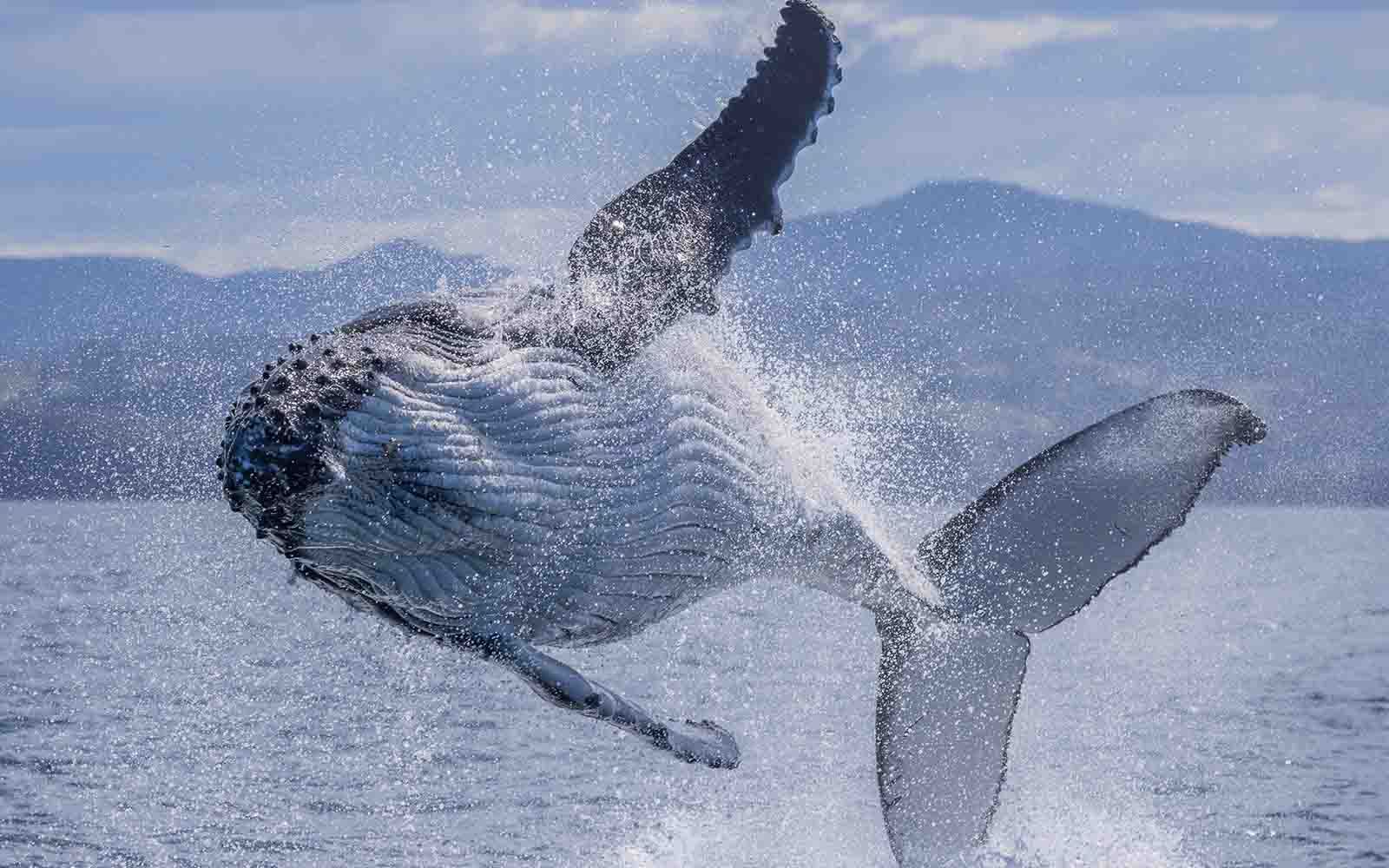
Then there are the moments you simply cannot predict. A quiet pod can suddenly erupt into action, a whale launching its enormous body clear of the water before crashing back into the ocean and sending spray high into the air. A tail might rise slowly from the surface, dripping in the sunlight, before slipping silently beneath the blue. That unpredictability is part of what makes the southern migration so exciting.
Spring is Peak Whale Season on the Sapphire Coast
The migration is well underway by spring. The Sapphire Coast sits right alongside the path travelled by humpback whales as they make their way south, with whale watching cruises operating from Eden, Merimbula and Bermagui throughout the season. September and October are particularly exciting months, with large numbers of humpbacks moving along the coast.
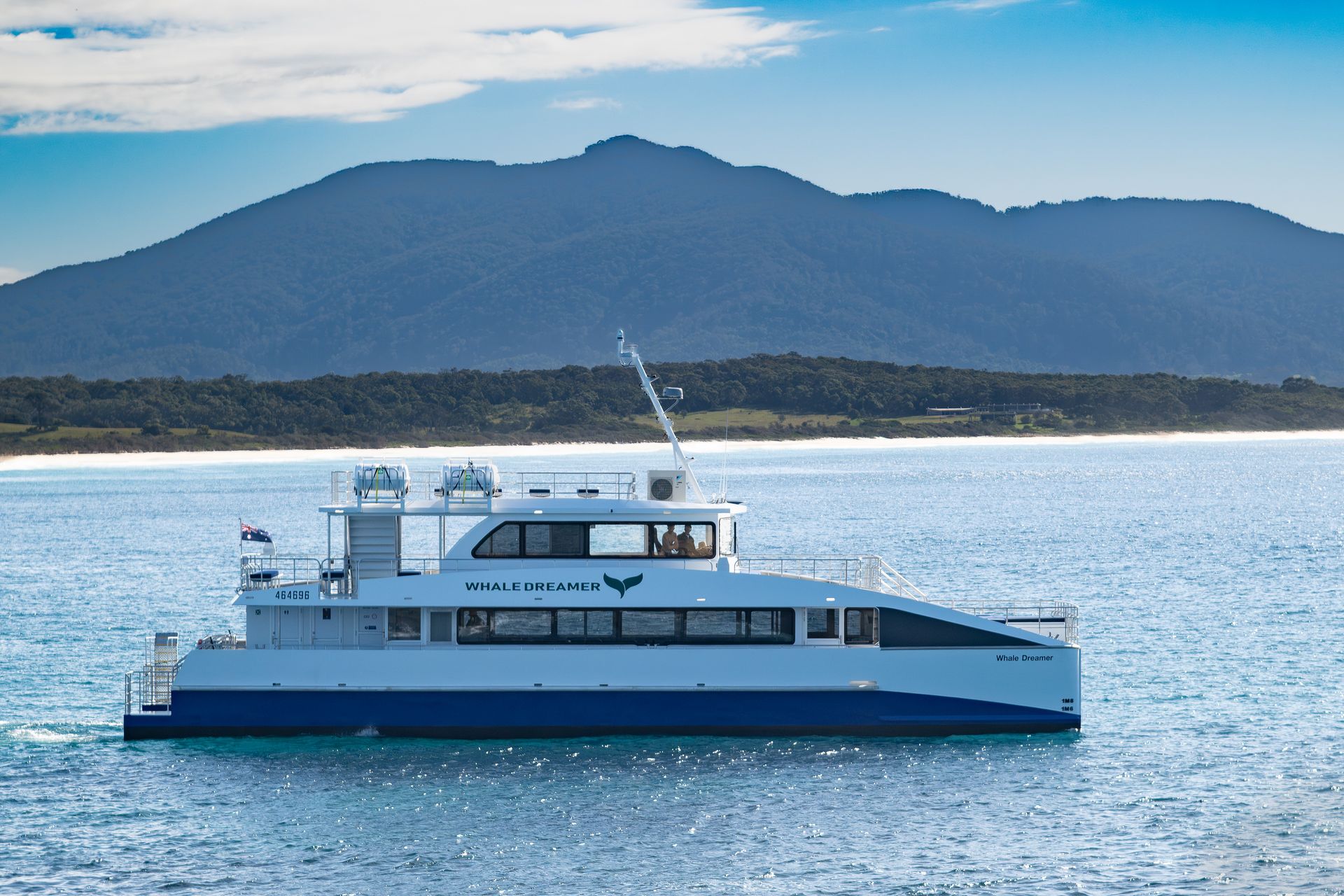
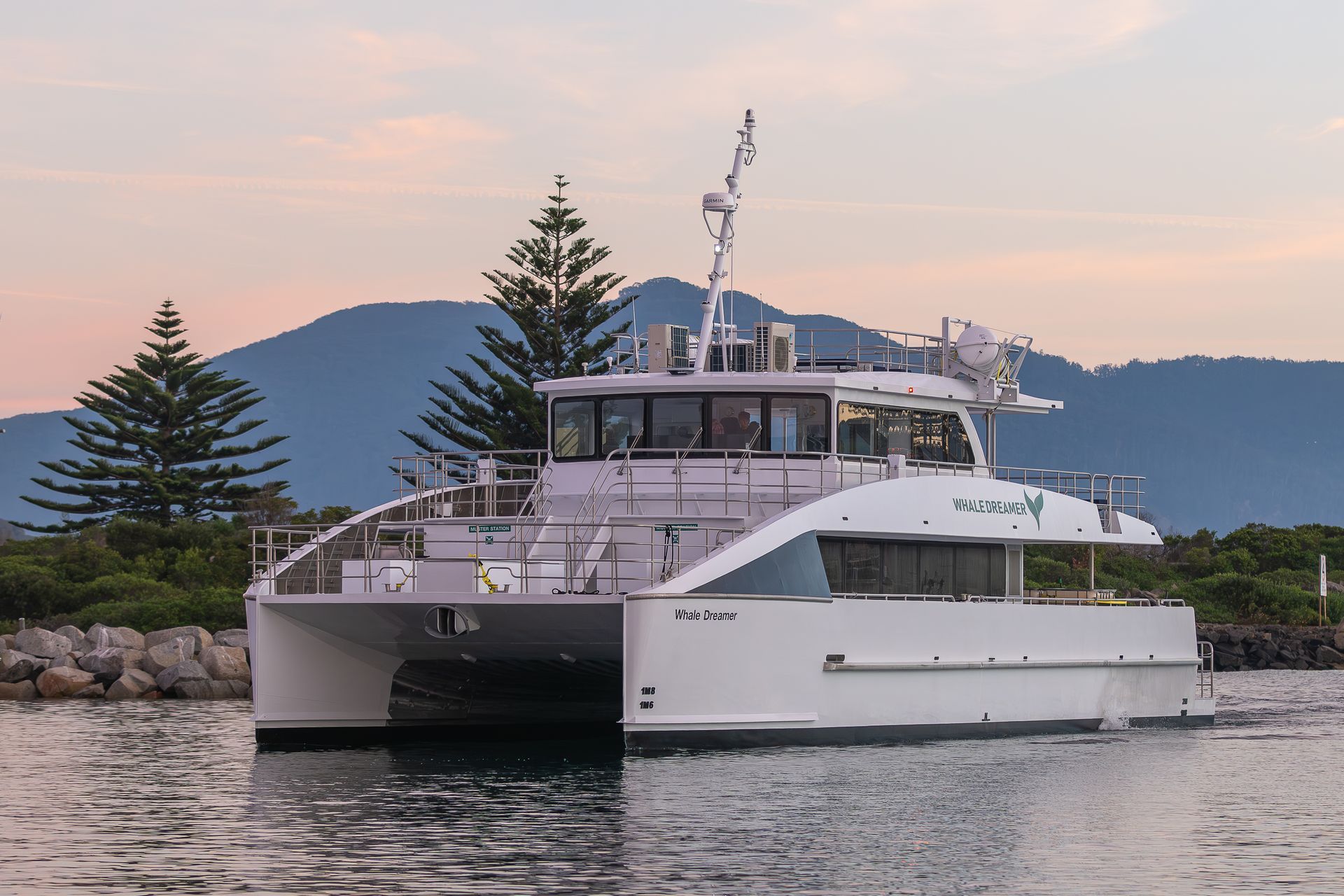
Each departure offers a different perspective on the migration. In Eden, the waters of Twofold Bay provide an incredible setting for spotting whales against a backdrop of national parks and wild coastline. Merimbula offers quick access to the open ocean, while Bermagui’s position alongside deep offshore waters makes it a wonderful place to search for whales and other marine life. Wherever you depart from, the experience begins the same way: you leave the harbour, head out towards the horizon and start looking for that first sign, a blow, a splash, a dark shape breaking the surface, and suddenly the ocean seems a lot less endless.
The Smallest Whales Have the Biggest Journey Ahead
For many people, spring whale watching is all about seeing a mother and calf. The calves travelling south past the Sapphire Coast are embarking on their first major migration, and they have a lot of growing to do along the way. Humpback calves rely entirely on their mothers during those early months, staying close as they travel and nursing regularly, growing quickly before they eventually become independent. It is this relationship that makes a mother-and-calf encounter so special to watch.
Sometimes the pair move steadily through the water, with the calf surfacing just behind or beside its mother. Other times the youngster seems to have a little more energy, breaching, slapping its pectoral fins against the water and spending plenty of time playing at the surface. While there is never any guarantee of what you will see on a given day, spring brings the chance to witness some of the most fascinating interactions of the entire migration. When you see a tiny calf beside its mother, it is hard not to think about the thousands of kilometres of ocean still ahead of it.
Three Ports. One Incredible Migration.
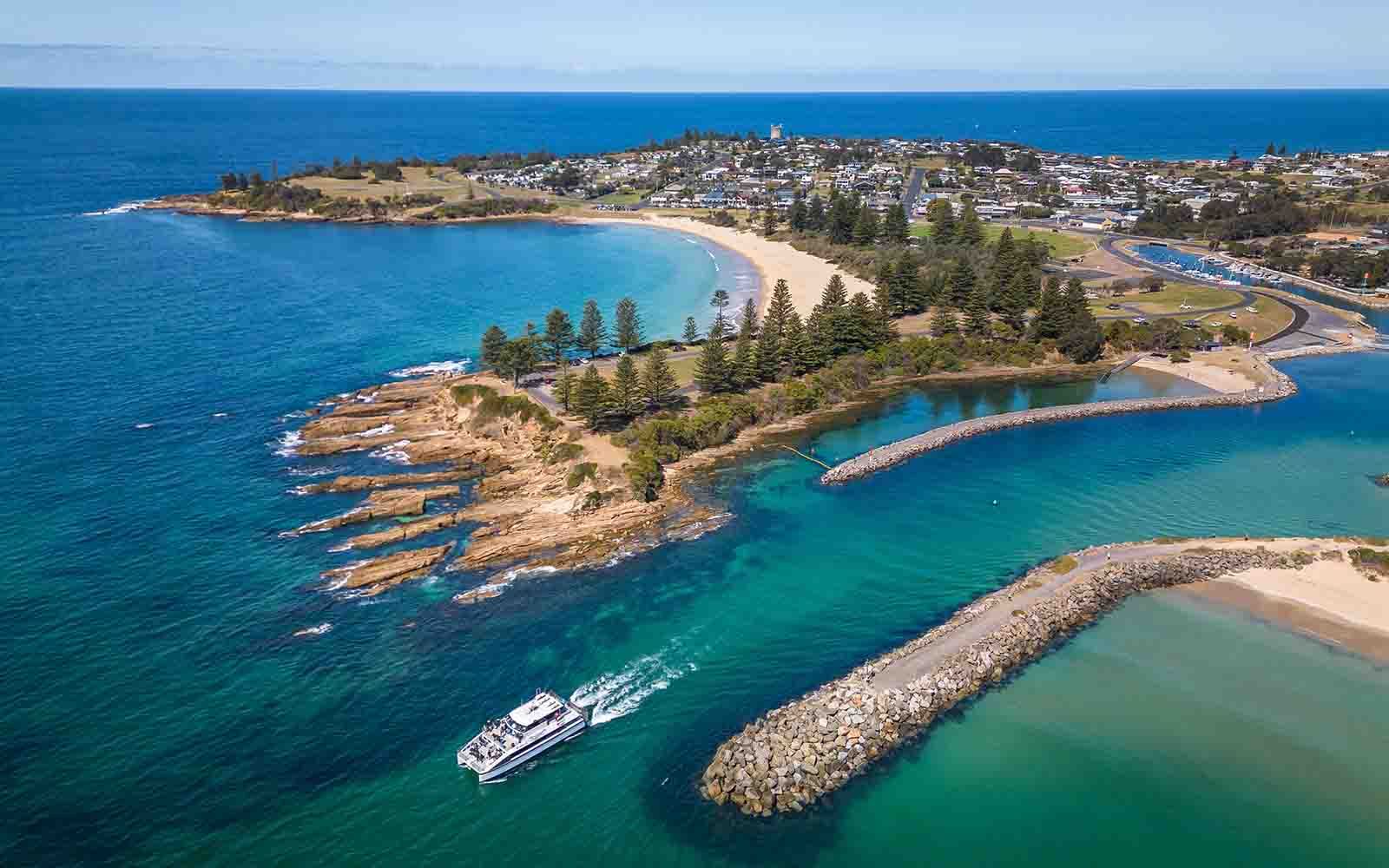
The southern migration can be experienced from three different points along the Sapphire Coast. Join a cruise from Eden and explore the waters around Twofold Bay, a region with a long and fascinating history with whales. Depart from Merimbula and head straight into the open ocean, where the migration passes just beyond the coastline. Or join us in Bermagui, where rocky headlands meet deep blue water and the ocean comes alive with an incredible diversity of marine life. Each port has its own coastline, its own character and its own perspective on the migration.
The Best Thing to Do in Merimbula, Eden or Bermagui This Spring?
Simple The Best Thing to Do in Merimbula, Eden or Bermagui This Spring!
Spring is one of the best times of year to explore the Sapphire Coast. The coastline bursts into colour as the wildflowers bloom and warmer days draw people back outdoors. You can walk the headlands, explore the beaches, discover the towns and spend the day chasing the best views along the coast. Getting out on the water gives you the chance to experience the migration from an entirely different perspective.
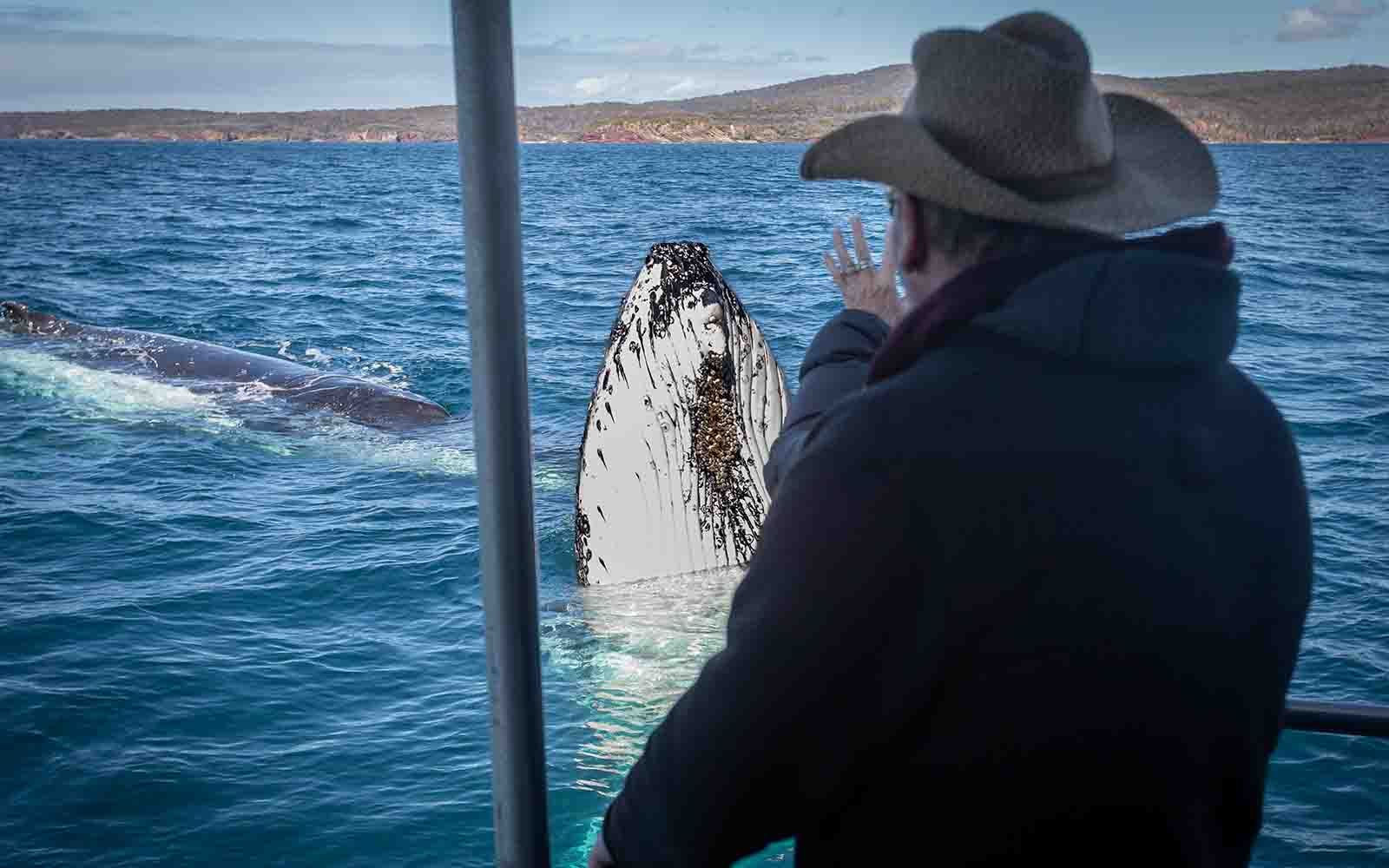
You might spend time watching a mother and calf travel together, or come across a pod moving steadily south. You might catch one of those unforgettable moments that lasts only seconds: a whale launching into a full breach, a tail rising slowly from the water, or a curious humpback surfacing just metres away. There are no guarantees, and that unexpectedness is exactly what makes whale watching one of the best things to do on the Sapphire Coast in spring.
From the deck,
Captain Simon